 Golf Course Review by: Billy Satterfield
Rankings:


The Takeaway: The next great golf course in Southern California, Ladera is a Gil Hanse creation that maximizes the desert terrain the track is laid out on. Wide fairways, contoured greens, and knowing the right angles is what this course is all about. The club is ultra-exclusive. Grade A-
Quick Facts
Designer: Gill Hanse 2023
Cost: Private
Phone Number: 832.216.3632
Course Website: Official Website - Visit Ladera Golf Club's official website by clicking on the link provided.
Directions: Get here! - 69501 Lemon Blossom Ln, Thermal, California 92274 – UNITED STATES
Photos: See additional photos of Ladera Golf Club
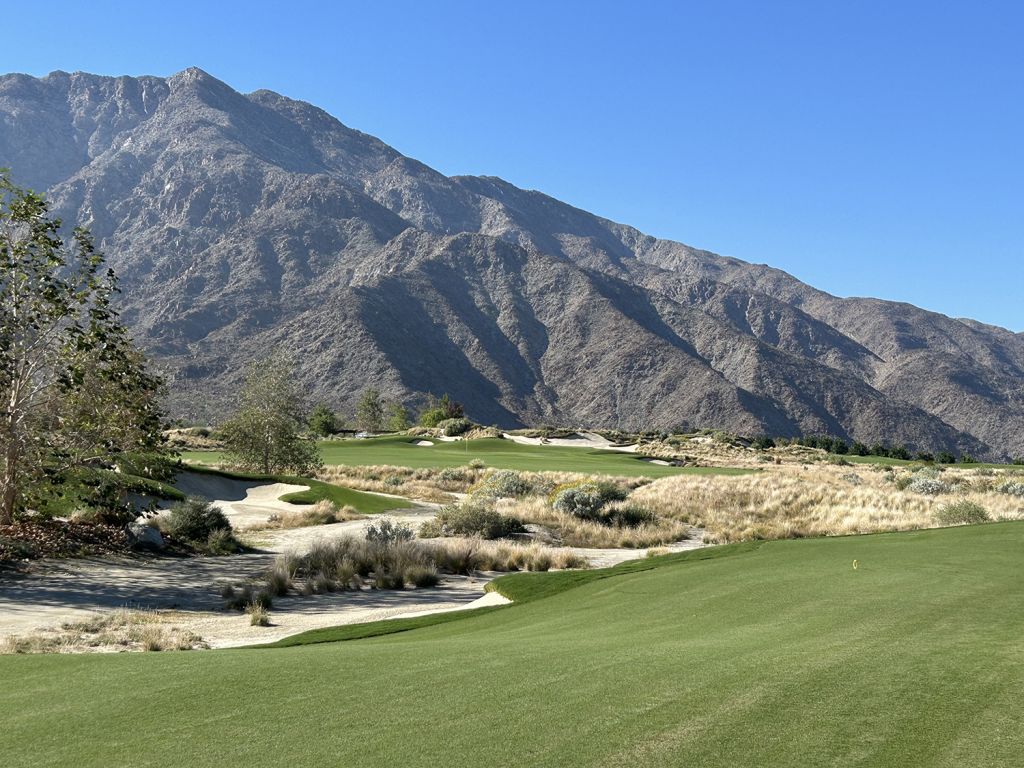
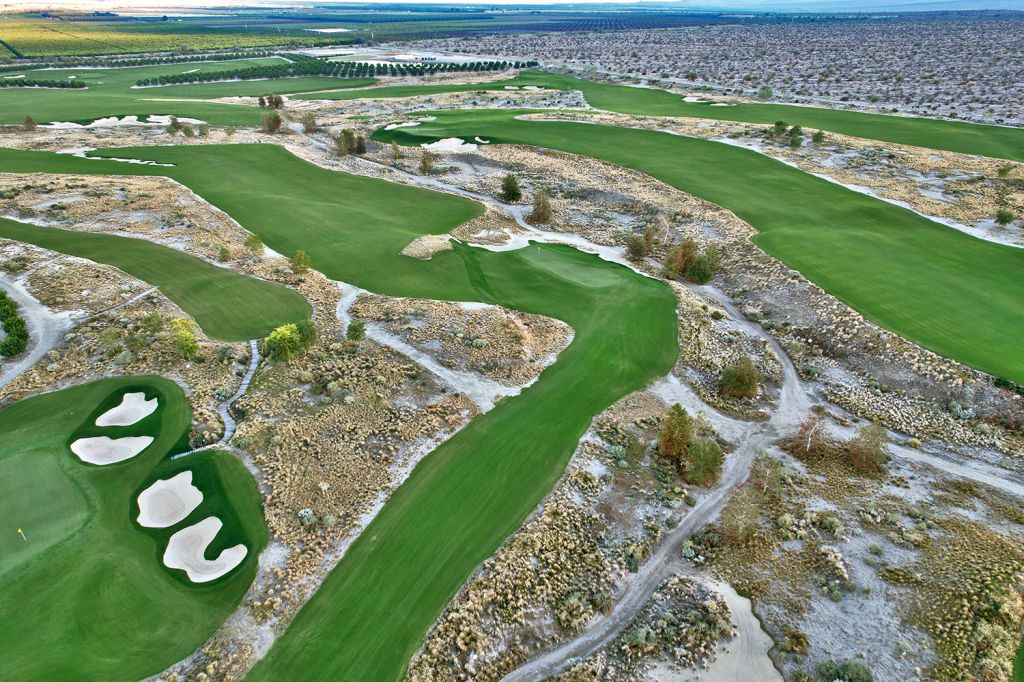
What to Expect: Developed by music mogul Irving Azoff and Apple senior vice president Eddy Cue, the ultra exclusive Ladera Golf Club is anchored by a Gil Hanse design with no limitations except the land he was working with and the imagination in his mind. The relatively flat ground was molded by Hanse and Jim Wagner to create interesting design features, second-shot strategy, and incredibly engaging greens. Rather than putting in artificial water features, palm trees, and other features that desert courses do in an attempt to create an oasis, the team of Hanse and Wagner decided to keep the property in a more natural state using the natural mountain backdrops, sandy channels, and native vegetation to create the setting. There is a ton of width off the tee, but hitting the ideal lines will offer a superior angle or shorter distance into the green. The green complexes are simply fantastic with great shaping, bunkering, and strategy without getting too wild. Conditioning couldn't be better with absolutely perfect turf which is partially achieved due to how few of daily rounds are being played, and when they are, it is walking only. Ladera doesn't overseed, but instead maintains Bermuda grass year-round which varies in how firm and fast the course will play based on the time of year. Ultimately, Hanse did a fantastic job with Ladera and produced a compelling golf course. The course was built on a lemon grove site that had few natural features to work with when creating the design, but he did a great job with what he had.
By the Numbers
| Tees | Par | Yardage | Rating | Slope |
|---|---|---|---|---|
| Pink | 72 | 7705 | 77.7 | 142 |
| Black | 72 | 7365 | 76.2 | 138 |
| White | 72 | 6565 | 72.5 | 129 |
| Yellow | 72 | 6315 | 71.4 | 126 |
| Lemon | 72 | 5295 | 66.7 | 115 |
| Lemon (Ladies) | 72 | 5295 | 70.6 | 121 |
Individual Hole Analysis
Signature Hole: 10th Hole – 525 Yard Par 5 – The back nine opens with a par five that is memorable for two major features; a cross bunker in the driving zone and a unique green complex that sits below the fairway and can create a blind approach. The cross bunker is only five yards wide at most places but stretches 90 yards in length, angling across the fairway to create a hazard at multiple distances. If you summon your inner U.S. Open accuracy, you can thread it through the 20 yard wide sliver of fairway the cross bunker doesn't reach and also deliver the shortest approach into the green. From the shorter, higher right side of the fairway the green sits down low and can be out of view when attacking the putting surface, while players that go up the left side will be a bit lower in elevation and eye level with the green. There is a certain level of excitement attacking a hidden green in two and having the anticipation build the entire walk to the putting surface to see where your ball has ended up. The 10th is a perfect way to start the back nine, and a great birdie chance.
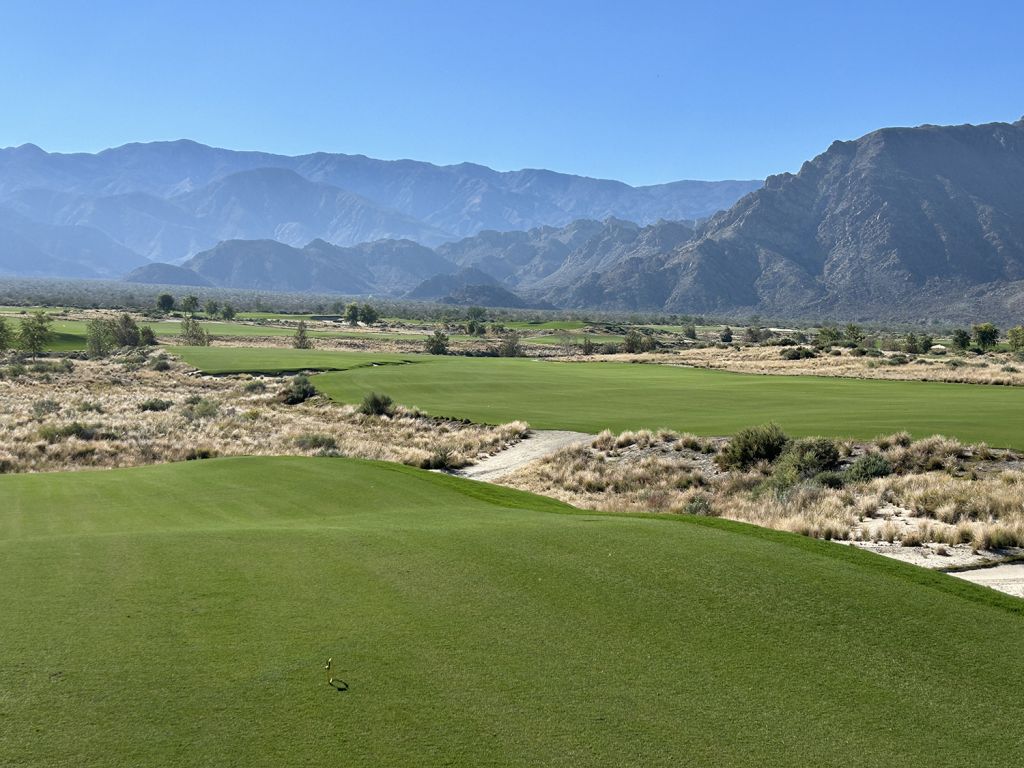
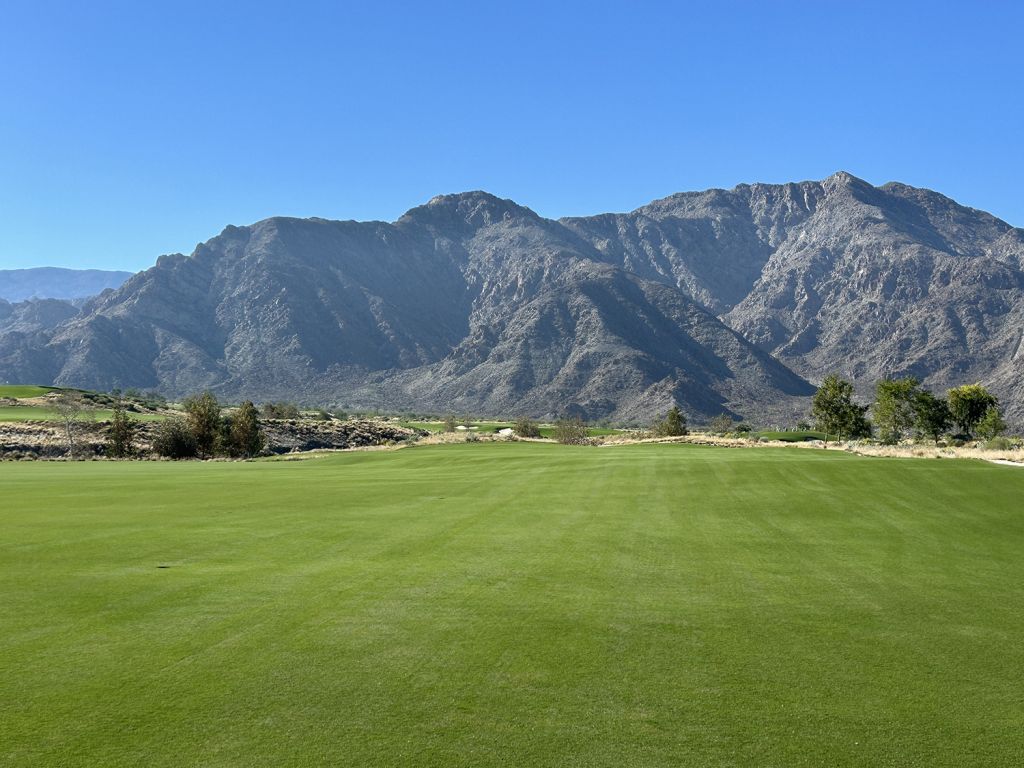
Best Par 3: 8th Hole – 140 Yards – A short but striking par three, the 8th hole captures the minimalist desert style of architects Gil Hanse and Jim Wagner. The hole looks relatively simple at first glance, but the green complex is beautifully contoured and creates some great pin placements and putting scenarios. The green is framed by rugged bunkering and native desert waste areas, while the Santa Rosa Mountains create one of the most dramatic backdrops on the course. On a side note, Gil Hanse recorded a hole-in-one here shortly after the course opened and acknowledged it was the first ace he had made at one of his designs.
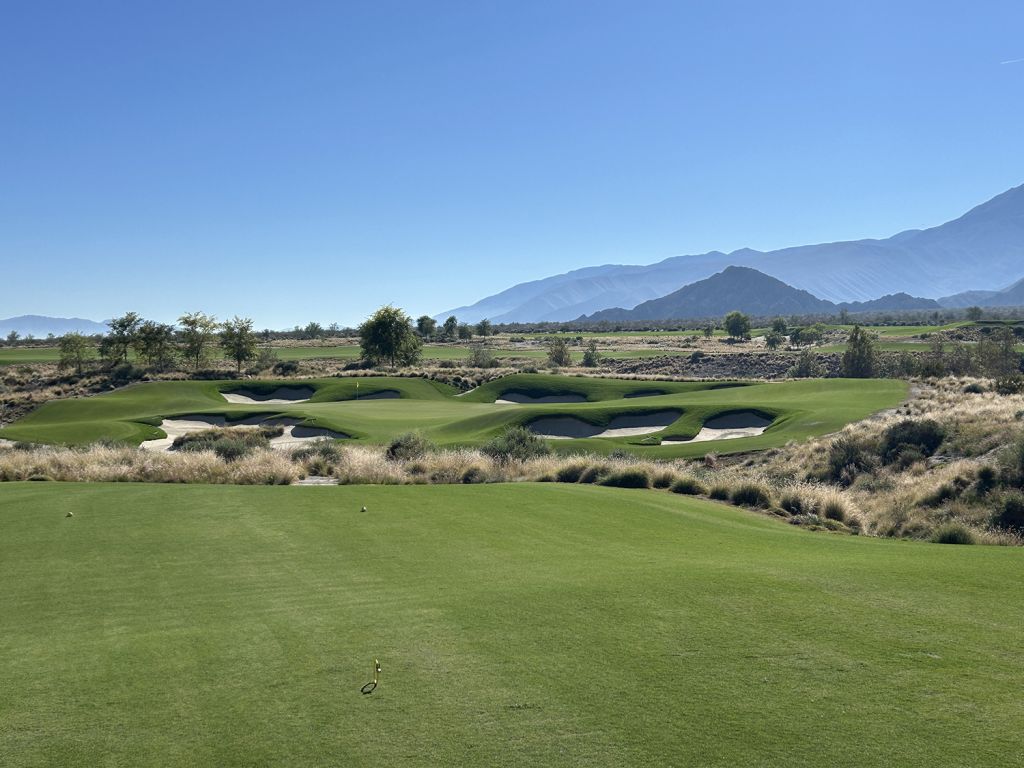
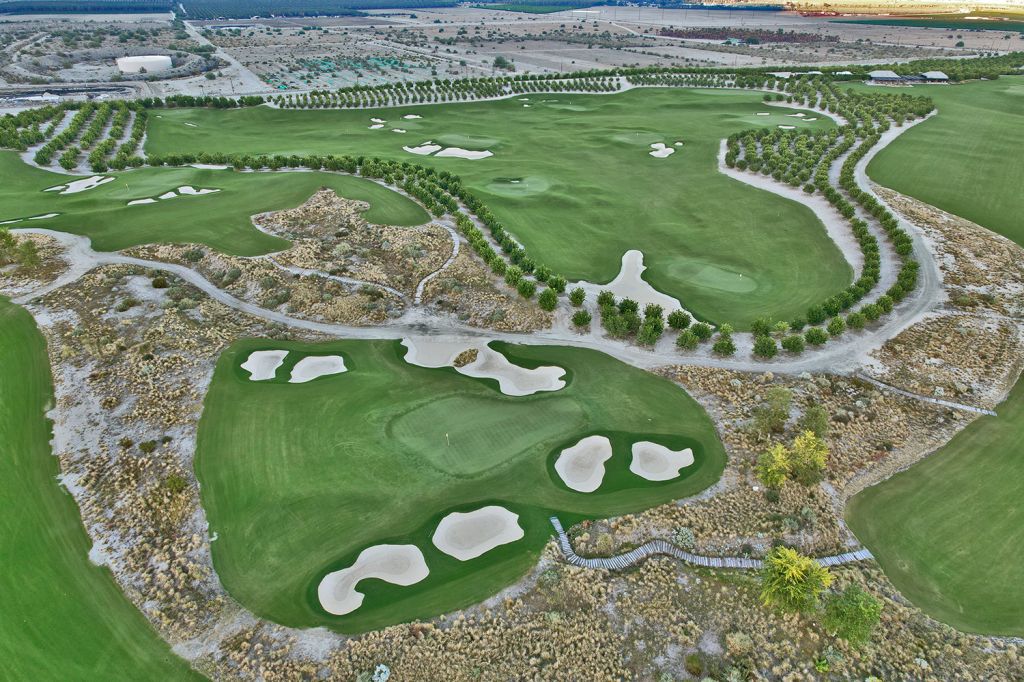
Best Par 4: 13th Hole – 515 Yards – You better be ready to golf your ball by the time you get to the 13th hole with it tipping out over 500 yards. The soft 'S' curves in the fairway deliver aesthetics and strategy as players decide what angles to attack with sand hugging the short grass on each side of the fairway the entire length of the hole. The greensite is built a bit like a saddle which will help kick balls onto the putting surface if your long approach shot is off line one direction or the other. The entire front of the green is open for balls to come in on the ground while the sides and back have bunkering awaiting shots that come in too hot. It is a high quality hole that rewards the best shot makers.
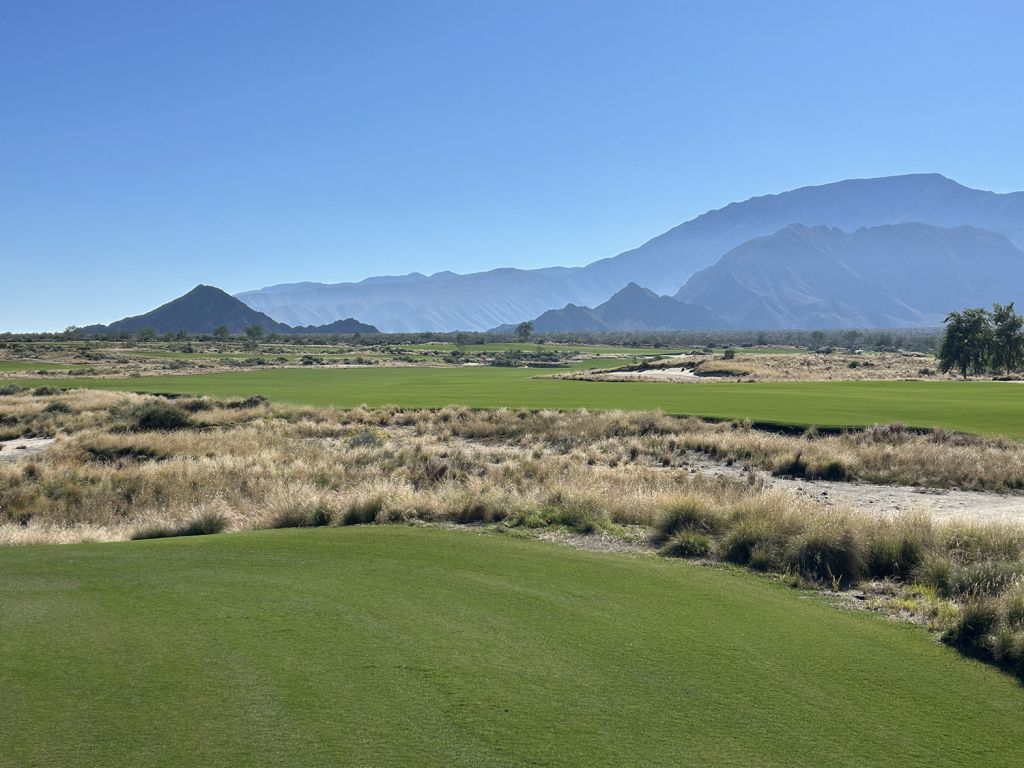
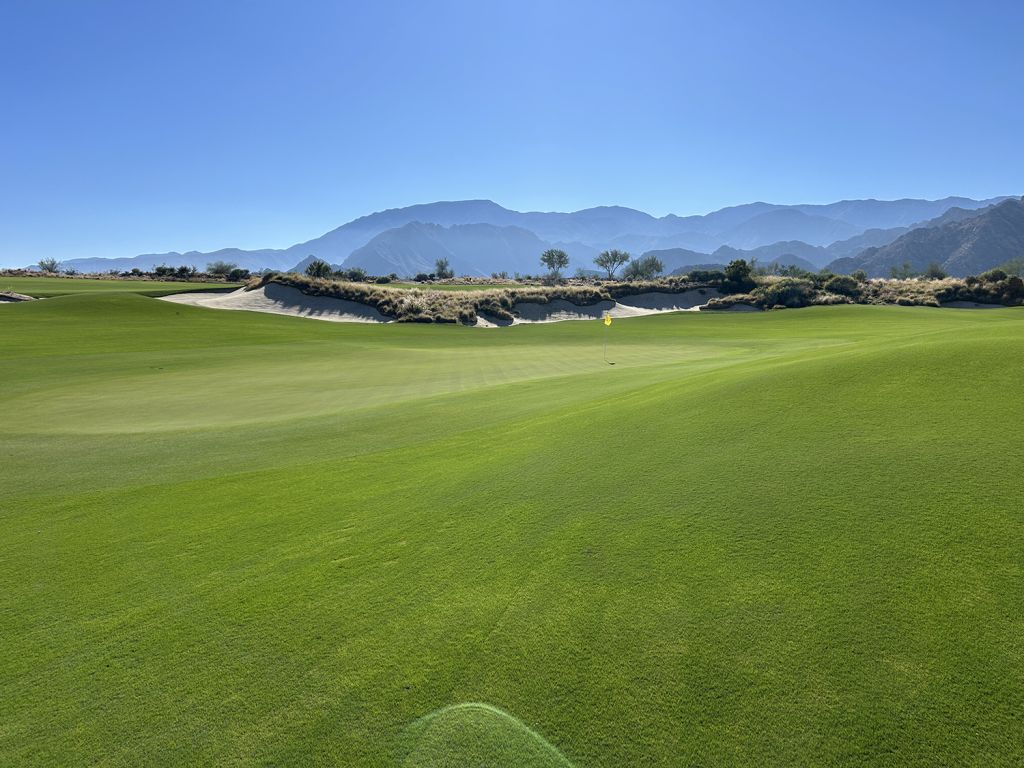
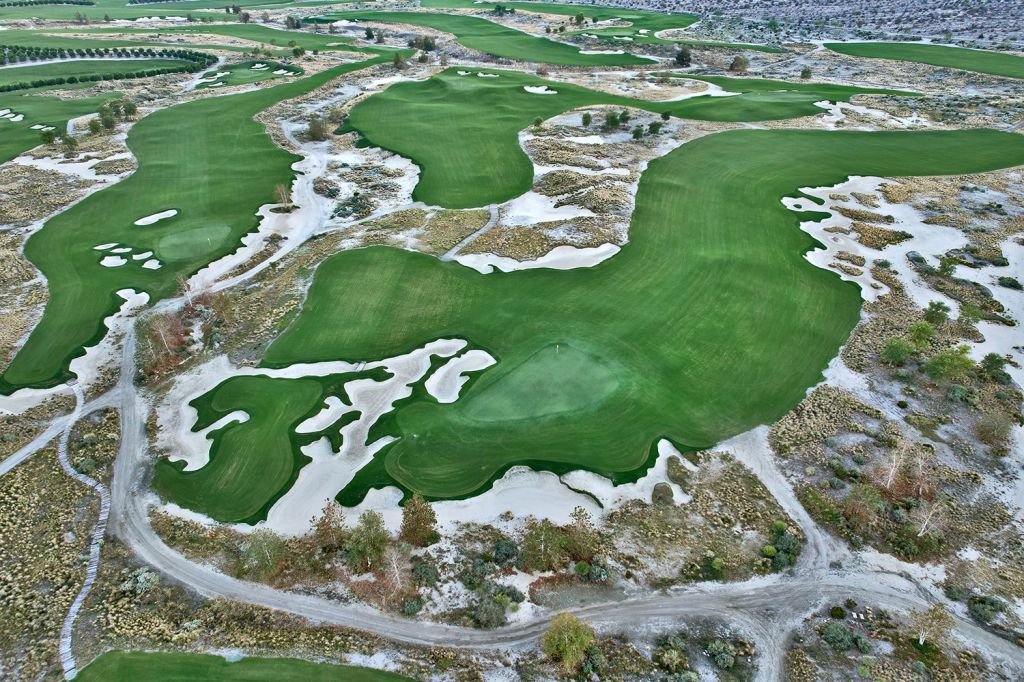
Best Par 5: 17th Hole – 580 Yards – As the round nears its close, the 17th stretches across the desert with soft bends in the fairway that open up some speed slots. A tee shot up the left side will reduce the length of the hole and tempt players to take a rip at the green in two, but it will require a bold shot over the native terrain and bunker when taking on the flag. The most sensible route to the green is up the right side that will open up a superior angle to the green where the flanking bunkers aren't near as threatening and the ground in front can be used to bound the ball onto the putting surface. Different options, some subtly different lies in the fairway, and strategic bunkering all combine to make this a great hole late in the round.
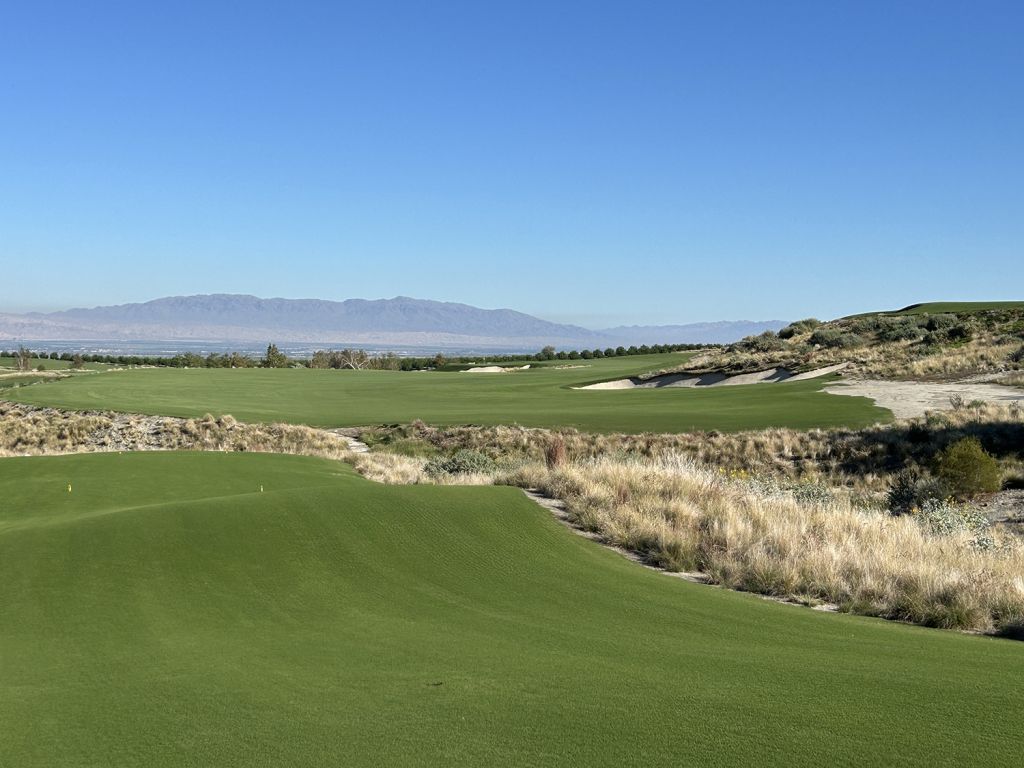

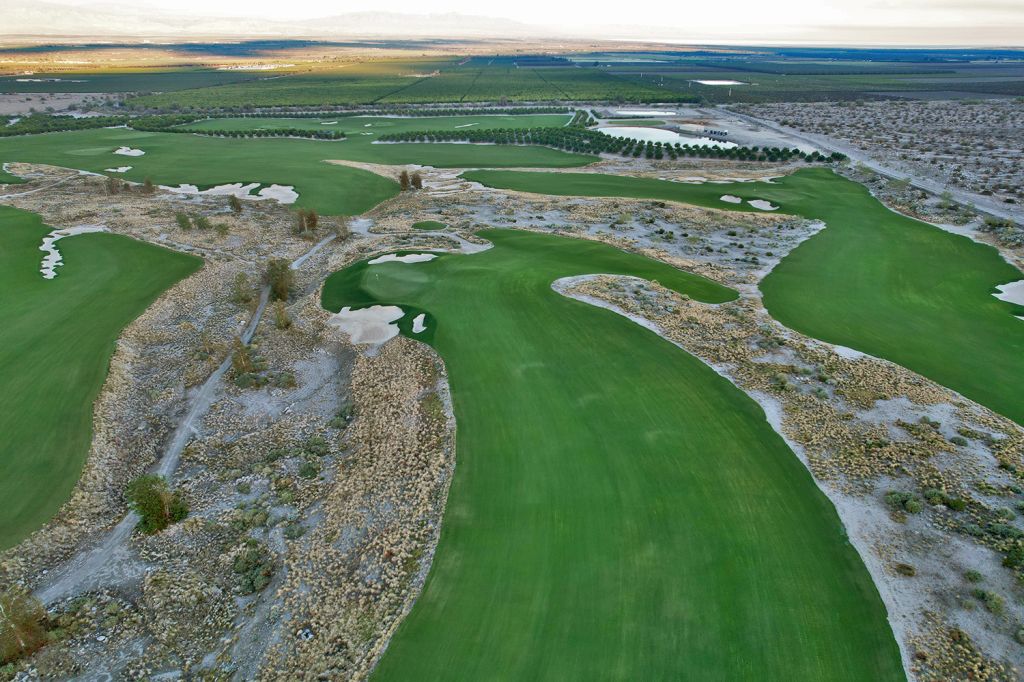
Birdie Time: 15th Hole – 320 Yard Par 4 – This is an excellently conceived drivable par four that rewards the bold and deflects the weak. The ripples in the fairway and raised putting surface is what requires precision to navigate, as well as enough juice to climb the protective contours. If you leave yourself a partial shot into the green, you may find it difficult to put enough spin on the ball to hit it close, but if you keep your grooves clean you'll have a chance to hit it tight. Alternatively, the creative player will use the contours and ground game to get their approach shot close to the flag. But if you manage to just hit your tee shot onto the green, you'll have bragging rights with your foursome for a lifetime.
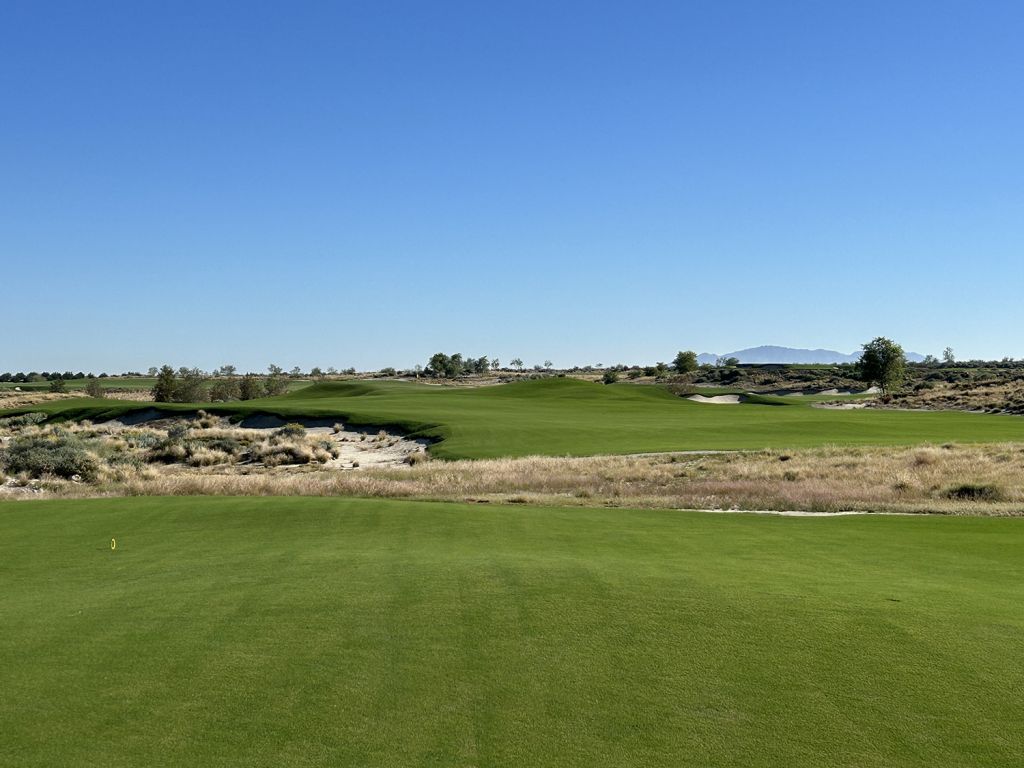
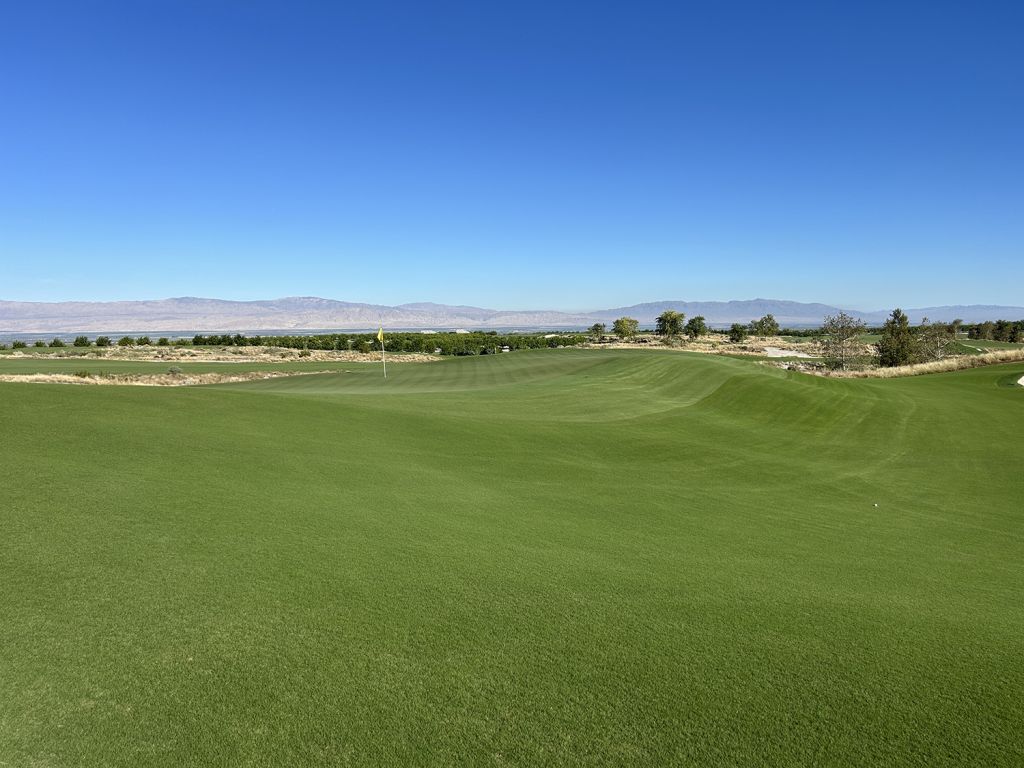
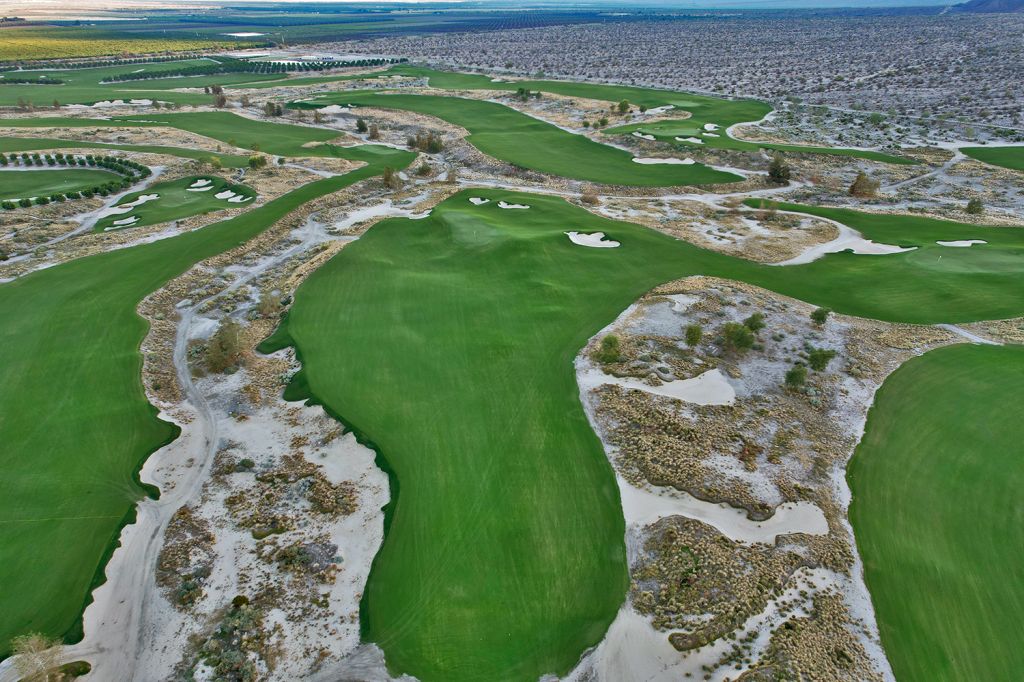
Bogey Beware: 12th Hole – 270 Yard Par 3 – When I think of a Bogey Beware hole, I often think of what the most difficult green to hit in regulation is. From 270 yards out, the 12th hole presents the longest shot into a green you'll likely have and the greatest chance that you'll be scrambling to try and save par. Tipping out at a mighty 270 yards, the 12th additionally plays slightly uphill and will require all of your merit to find the putting surface with your first stroke. Pins in the back of the green are particularly difficult to get to considering the large swell in the putting surface that requires deft touch to navigate properly. Add in some bunkers behind the green and along the right side, and you have one tough hole to card a three on.